Home / Macroeconomics / Forex
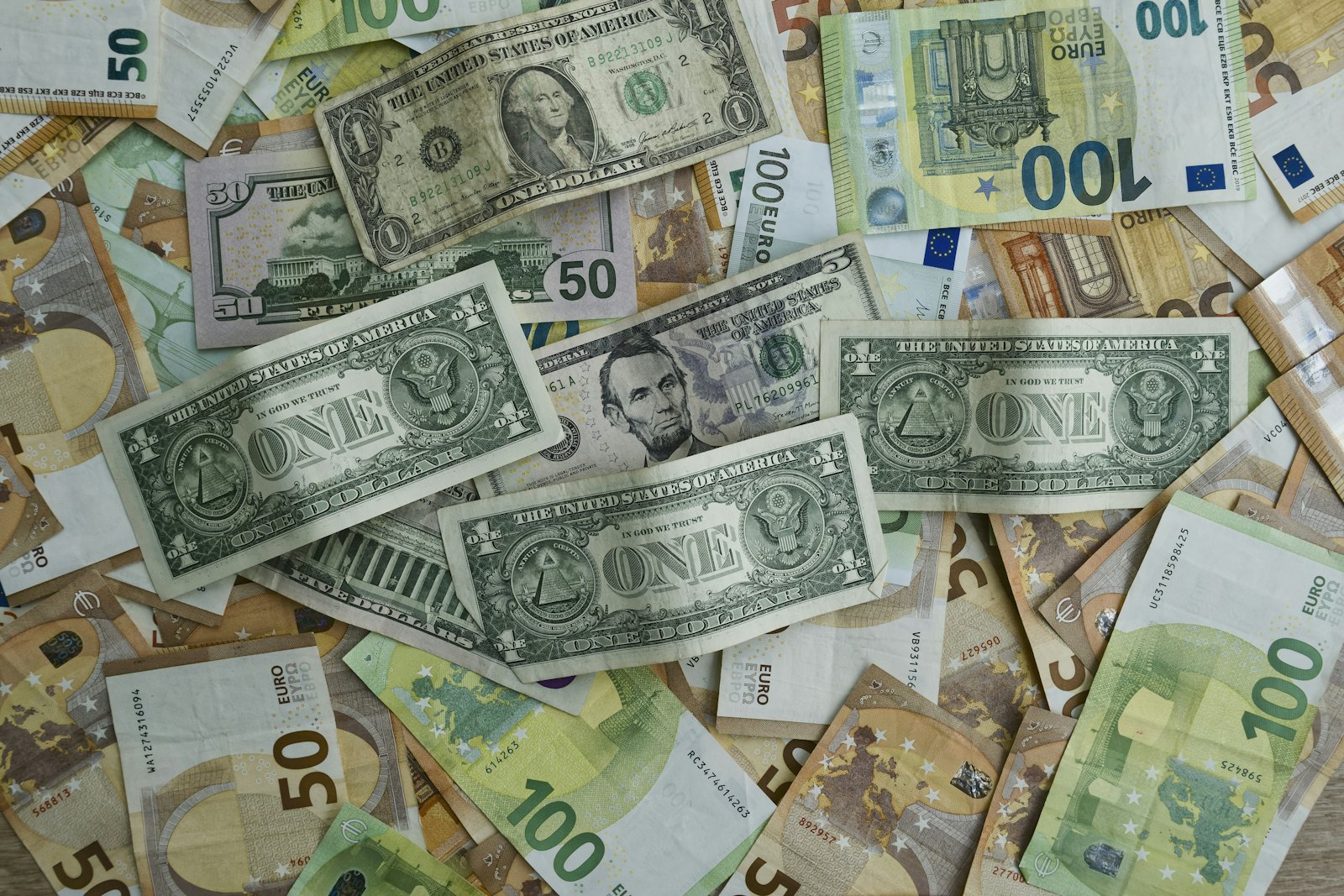
Active analysis
Forex
22 currencies scored on the same 14 conditions, with IMF and BIS data and weekly exchange rates.
Questions the analysis answers
- Which currencies have the strongest fundamentals: current account, inflation, debt, real interest rate?
- How do interest-rate differentials influence exchange rates?
- Where does the Romanian leu stand against the region’s currencies and the major ones?
The currencies on the radar
22 currencies scored on 14 conditions. Six conditions are computed automatically from official data (IMF, BIS, Yahoo Finance), using published formulas; the other eight are judgement, with a rationale for each currency. The scores are frozen in the snapshot of 1 November 2026 (SHA-256 fingerprint in the .sha256 file). The input data update automatically every Friday.
| # | Currency | Conditions | Score | Substance / form | Real rate | Current account 2026 | Rate, 2 months |
|---|---|---|---|---|---|---|---|
| 1 | SGD Singapore dollar | 8/14 | 7.30 | Substance confirmed | — | 16.7% | -1.0% |
| 2 | CHF Swiss franc | 8/14 | 7.16 | Substance without form | -1.0 pp | 6.2% | -2.0% |
| 3 | SEK Swedish krona | 7/14 | 7.18 | Substance without form | 0.6 pp | 7.3% | -3.2% |
| 4 | KRW South Korean won | 7/14 | 6.78 | Substance confirmed | 0.1 pp | 18.8% | +1.3% |
| 5 | EUR Euro | 7/14 | 6.12 | Substance being confirmed | -1.3 pp | 1.2% | -3.8% |
| 6 | CZK Czech koruna | 7/14 | 5.82 | Substance being confirmed | 1.3 pp | -1.9% | -4.5% |
| 7 | NOK Norwegian krone | 6/14 | 6.94 | Substance confirmed | 1.1 pp | 20.7% | +0.4% |
| 8 | JPY Japanese yen | 6/14 | 6.18 | Substance confirmed | -0.8 pp | 4.6% | -1.4% |
| 9 | CNY Chinese yuan | 6/14 | 6.02 | Substance confirmed | 2.1 pp | 4.0% | +0.9% |
| 10 | CAD Canadian dollar | 5/14 | 5.54 | Substance being confirmed | -0.6 pp | -0.1% | -1.4% |
| 11 | PLN Polish zloty | 5/14 | 5.02 | Substance being confirmed | -0.2 pp | -1.9% | -5.3% |
| 12 | USD US dollar | 5/14 | 4.94 | Substance being confirmed | 0.1 pp | -3.9% | +2.7% |
| 13 | AUD Australian dollar | 4/14 | 5.12 | Substance being confirmed | 0.7 pp | -3.1% | -2.4% |
| 14 | NZD New Zealand dollar | 4/14 | 5.12 | Substance being confirmed | -1.0 pp | -3.4% | -4.3% |
| 15 | GBP Pound sterling | 4/14 | 4.88 | Substance being confirmed | 0.3 pp | -3.3% | -1.1% |
| 16 | MXN Mexican peso | 3/14 | 5.40 | Substance being confirmed | 3.0 pp | -0.3% | -10.3% |
| 17 | INR Indian rupee | 3/14 | 5.12 | Substance being confirmed | -0.0 pp | -1.5% | -0.7% |
| 18 | TRY Turkish lira | 3/14 | 3.96 | Substance being confirmed | 6.3 pp | -2.9% | -3.0% |
| 19 | HUF Hungarian forint | 2/14 | 5.10 | Substance being confirmed | 3.9 pp | -0.5% | -4.8% |
| 20 | BRL Brazilian real | 2/14 | 4.50 | Substance being confirmed | 9.2 pp | -2.4% | -5.3% |
| 21 | RON Romanian leu | 2/14 | 3.80 | Substance being confirmed | -0.1 pp | -7.0% | -5.4% |
| 22 | ZAR South African rand | 1/14 | 4.54 | Substance being confirmed | 2.7 pp | -0.7% | -3.8% |
Each currency, condition by condition
Open a currency to see the score on each condition, the data behind the computed scores and the rationale for the judgement scores.
SGD · Singapore dollar · 8/14 · score 7.30 · Substance confirmed
The central bank manages the rate within a band against a basket of currencies; a stable financial hub with some of the most credible institutions in the world.
| # | Condition | Score | In plain words |
|---|---|---|---|
| C1 | Real flows | 10 | The country exports more than it imports: the world needs its currency. Data: current account 16.7% of GDP |
| C2 | Central bank discipline | 10 | Inflation is close to target: a disciplined central bank. Data: inflation 2.2% (2026-07) |
| C3 | Reserves and external debt | 5 | Moderate debt. Data: debt 166.4%, budget balance 3.7%, current account 16.7% of GDP |
| C4 | New roles | 7 | Gaining new roles: increasingly used in trade or in other states’ reserves. |
| C5 | Genuine flows | 8 | Demand comes from the real economy: trade and long-term investment. |
| C6 | Credible institutions | 10 | Credible, predictable government and central bank. |
| C7 | Real interest rate | — | Cannot be assessed yet (for example, the asset is not publicly traded). |
| C8 | Diversified economy | 7 | A diversified economy: many industries and partners. |
| C9 | Safe-haven role | 7 | Safe-haven currency: the world buys it in a crisis. |
| C10 | Valuation | 4 | The currency is expensive versus the past year. Data: at 63% of its 52-week range |
| C11 | Media (non-linear) | 6 | Moderate attention. |
| C12 | Trend and volatility | 4 | The currency has lost ground recently. Data: -1.0% in two months |
| C13 | Crowding (inverse) | 5 | Not yet assessed, or moderate positioning. |
| C14 | Political risk | 9 | Low political risk. |
CHF · Swiss franc · 8/14 · score 7.16 · Substance without form
The strongest fundamentals on the list: a current-account surplus, low debt, inflation below 1%. The zero interest rate and SNB interventions limit appreciation.
| # | Condition | Score | In plain words |
|---|---|---|---|
| C1 | Real flows | 10 | The country exports more than it imports: the world needs its currency. Data: current account 6.2% of GDP |
| C2 | Central bank discipline | 8 | Inflation is close to target: a disciplined central bank. Data: inflation 1.0% (2026-09) |
| C3 | Reserves and external debt | 8 | Low debt and solid finances. Data: debt 38.3%, budget balance -0.2%, current account 6.2% of GDP |
| C4 | New roles | 4 | The currency is not gaining new roles in the world. |
| C5 | Genuine flows | 6 | Mixed demand: trade and speculation. |
| C6 | Credible institutions | 10 | Credible, predictable government and central bank. |
| C7 | Real interest rate | 4 | The interest rate is below inflation: money held in this currency loses value. Data: rate 0% (2026-11-03) − inflation 1.0% = -1.0 pp |
| C8 | Diversified economy | 7 | A diversified economy: many industries and partners. |
| C9 | Safe-haven role | 9 | Safe-haven currency: the world buys it in a crisis. |
| C10 | Valuation | 7 | The currency is cheap versus the past year. Data: at 28% of its 52-week range |
| C11 | Media (non-linear) | 6 | Moderate attention. |
| C12 | Trend and volatility | 3 | The currency has lost ground recently. Data: -2.0% in two months |
| C13 | Crowding (inverse) | 5 | Not yet assessed, or moderate positioning. |
| C14 | Political risk | 9 | Low political risk. |
SEK · Swedish krona · 7/14 · score 7.18 · Substance without form
Very strong institutions and disciplined public finances; a small currency, sensitive to the European cycle and to Swedish house prices.
| # | Condition | Score | In plain words |
|---|---|---|---|
| C1 | Real flows | 10 | The country exports more than it imports: the world needs its currency. Data: current account 7.3% of GDP |
| C2 | Central bank discipline | 9 | Inflation is close to target: a disciplined central bank. Data: inflation 1.1% (2026-09) |
| C3 | Reserves and external debt | 8 | Low debt and solid finances. Data: debt 35.1%, budget balance -2.5%, current account 7.3% of GDP |
| C4 | New roles | 6 | Gaining some ground in trade or reserves. |
| C5 | Genuine flows | 6 | Mixed demand: trade and speculation. |
| C6 | Credible institutions | 9 | Credible, predictable government and central bank. |
| C7 | Real interest rate | 6 | The interest rate is close to inflation. Data: rate 1.75% (2026-11-03) − inflation 1.1% = 0.6 pp |
| C8 | Diversified economy | 8 | A diversified economy: many industries and partners. |
| C9 | Safe-haven role | 4 | Not sought in crises. |
| C10 | Valuation | 8 | The currency is cheap versus the past year. Data: at 19% of its 52-week range |
| C11 | Media (non-linear) | 6 | Moderate attention. |
| C12 | Trend and volatility | 2 | The currency has lost ground recently. Data: -3.2% in two months |
| C13 | Crowding (inverse) | 6 | Not yet assessed, or moderate positioning. |
| C14 | Political risk | 8 | Low political risk. |
KRW · South Korean won · 7/14 · score 6.78 · Substance confirmed
An exporter of chips and technology, with demand linked to artificial intelligence; tensions on the peninsula and dependence on China are the risks.
| # | Condition | Score | In plain words |
|---|---|---|---|
| C1 | Real flows | 10 | The country exports more than it imports: the world needs its currency. Data: current account 18.8% of GDP |
| C2 | Central bank discipline | 9 | Inflation is close to target: a disciplined central bank. Data: inflation 2.9% (2026-09) |
| C3 | Reserves and external debt | 8 | Low debt and solid finances. Data: debt 47.3%, budget balance -1.3%, current account 18.8% of GDP |
| C4 | New roles | 8 | Gaining new roles: increasingly used in trade or in other states’ reserves. |
| C5 | Genuine flows | 7 | Demand comes from the real economy: trade and long-term investment. |
| C6 | Credible institutions | 7 | Credible, predictable government and central bank. |
| C7 | Real interest rate | 5 | The interest rate is close to inflation. Data: rate 3% (2026-10-08) − inflation 2.9% = 0.1 pp |
| C8 | Diversified economy | 7 | A diversified economy: many industries and partners. |
| C9 | Safe-haven role | 4 | Not sought in crises. |
| C10 | Valuation | 2 | The currency is expensive versus the past year. Data: at 84% of its 52-week range |
| C11 | Media (non-linear) | 6 | Moderate attention. |
| C12 | Trend and volatility | 6 | The currency is stable. Data: +1.3% in two months |
| C13 | Crowding (inverse) | 5 | Not yet assessed, or moderate positioning. |
| C14 | Political risk | 6 | A few political risks to watch. |
EUR · Euro · 7/14 · score 6.12 · Substance being confirmed
The second reserve currency, with an independent ECB. It gains from reserve diversification and the digital euro. The risk comes from weak growth and the 2026 energy shock.
| # | Condition | Score | In plain words |
|---|---|---|---|
| C1 | Real flows | 6 | Foreign trade is roughly balanced. Data: current account 1.2% of GDP |
| C2 | Central bank discipline | 7 | Inflation is close to target: a disciplined central bank. Data: inflation 3.8% (2026-09) |
| C3 | Reserves and external debt | 5 | Moderate debt. Data: debt 88%, budget balance -3.6%, current account 1.2% of GDP |
| C4 | New roles | 6 | Gaining some ground in trade or reserves. |
| C5 | Genuine flows | 7 | Demand comes from the real economy: trade and long-term investment. |
| C6 | Credible institutions | 8 | Credible, predictable government and central bank. |
| C7 | Real interest rate | 3 | The interest rate is below inflation: money held in this currency loses value. Data: rate 2.5% (2026-11-03) − inflation 3.8% = -1.3 pp |
| C8 | Diversified economy | 9 | A diversified economy: many industries and partners. |
| C9 | Safe-haven role | 8 | Safe-haven currency: the world buys it in a crisis. |
| C10 | Valuation | 9 | The currency is cheap versus the past year. Data: at 13% of its 52-week range |
| C11 | Media (non-linear) | 6 | Moderate attention. |
| C12 | Trend and volatility | 1 | The currency has lost ground recently. Data: -3.8% in two months |
| C13 | Crowding (inverse) | 5 | Not yet assessed, or moderate positioning. |
| C14 | Political risk | 7 | Low political risk. |
CZK · Czech koruna · 7/14 · score 5.82 · Substance being confirmed
A credible central bank, moderate public debt and industry integrated into German supply chains; depends on the European car-industry cycle.
| # | Condition | Score | In plain words |
|---|---|---|---|
| C1 | Real flows | 3 | The country imports far more than it exports: real demand for the currency is weak. Data: current account -1.9% of GDP |
| C2 | Central bank discipline | 9 | Inflation is close to target: a disciplined central bank. Data: inflation 2.5% (2026-09) |
| C3 | Reserves and external debt | 7 | Low debt and solid finances. Data: debt 45.8%, budget balance -2.7%, current account -1.9% of GDP |
| C4 | New roles | 5 | Gaining some ground in trade or reserves. |
| C5 | Genuine flows | 6 | Mixed demand: trade and speculation. |
| C6 | Credible institutions | 8 | Credible, predictable government and central bank. |
| C7 | Real interest rate | 7 | The interest rate is above inflation: holding this currency is rewarded. Data: rate 3.75% (2026-11-02) − inflation 2.5% = 1.3 pp |
| C8 | Diversified economy | 7 | A diversified economy: many industries and partners. |
| C9 | Safe-haven role | 3 | Not sought in crises. |
| C10 | Valuation | 9 | The currency is cheap versus the past year. Data: at 11% of its 52-week range |
| C11 | Media (non-linear) | 6 | Moderate attention. |
| C12 | Trend and volatility | 1 | The currency has lost ground recently. Data: -4.5% in two months |
| C13 | Crowding (inverse) | 6 | Not yet assessed, or moderate positioning. |
| C14 | Political risk | 8 | Low political risk. |
NOK · Norwegian krone · 6/14 · score 6.94 · Substance confirmed
Backed by the sovereign wealth fund and large surpluses, but closely tied to oil and gas prices.
| # | Condition | Score | In plain words |
|---|---|---|---|
| C1 | Real flows | 10 | The country exports more than it imports: the world needs its currency. Data: current account 20.7% of GDP |
| C2 | Central bank discipline | 8 | Inflation is close to target: a disciplined central bank. Data: inflation 3.4% (2026-09) |
| C3 | Reserves and external debt | 10 | Low debt and solid finances. Data: debt 40%, budget balance 13.5%, current account 20.7% of GDP |
| C4 | New roles | 4 | The currency is not gaining new roles in the world. |
| C5 | Genuine flows | 6 | Mixed demand: trade and speculation. |
| C6 | Credible institutions | 9 | Credible, predictable government and central bank. |
| C7 | Real interest rate | 7 | The interest rate is above inflation: holding this currency is rewarded. Data: rate 4.5% (2026-11-02) − inflation 3.4% = 1.1 pp |
| C8 | Diversified economy | 5 | A partly diversified economy. |
| C9 | Safe-haven role | 5 | Sought only regionally. |
| C10 | Valuation | 1 | The currency is expensive versus the past year. Data: at 87% of its 52-week range |
| C11 | Media (non-linear) | 6 | Moderate attention. |
| C12 | Trend and volatility | 5 | The currency is stable. Data: +0.4% in two months |
| C13 | Crowding (inverse) | 6 | Not yet assessed, or moderate positioning. |
| C14 | Political risk | 9 | Low political risk. |
JPY · Japanese yen · 6/14 · score 6.18 · Substance confirmed
A traditional safe haven and a funding currency for the carry trade, so flows are partly speculative. Public debt of about 200% of GDP is the main weak point.
| # | Condition | Score | In plain words |
|---|---|---|---|
| C1 | Real flows | 9 | The country exports more than it imports: the world needs its currency. Data: current account 4.6% of GDP |
| C2 | Central bank discipline | 10 | Inflation is close to target: a disciplined central bank. Data: inflation 2.1% (2026-09) |
| C3 | Reserves and external debt | 1 | Large debt and deficits: the country depends on foreign financing. Data: debt 199.4%, budget balance -1.4%, current account 4.6% of GDP |
| C4 | New roles | 3 | The currency is not gaining new roles in the world. |
| C5 | Genuine flows | 5 | Mixed demand: trade and speculation. |
| C6 | Credible institutions | 8 | Credible, predictable government and central bank. |
| C7 | Real interest rate | 4 | The interest rate is below inflation: money held in this currency loses value. Data: rate 1.25% (2026-11-03) − inflation 2.1% = -0.8 pp |
| C8 | Diversified economy | 8 | A diversified economy: many industries and partners. |
| C9 | Safe-haven role | 8 | Safe-haven currency: the world buys it in a crisis. |
| C10 | Valuation | 5 | The currency is at a normal level. Data: at 53% of its 52-week range |
| C11 | Media (non-linear) | 5 | Moderate attention. |
| C12 | Trend and volatility | 4 | The currency has lost ground recently. Data: -1.4% in two months |
| C13 | Crowding (inverse) | 5 | Not yet assessed, or moderate positioning. |
| C14 | Political risk | 8 | Low political risk. |
CNY · Chinese yuan · 6/14 · score 6.02 · Substance confirmed
A managed exchange rate and capital controls, so flows are mostly trade-related. It is gaining ground in settlements (CIPS), but geopolitical risk and deflation remain high.
| # | Condition | Score | In plain words |
|---|---|---|---|
| C1 | Real flows | 8 | The country exports more than it imports: the world needs its currency. Data: current account 4% of GDP |
| C2 | Central bank discipline | 8 | Inflation is close to target: a disciplined central bank. Data: inflation 0.9% (2026-09) |
| C3 | Reserves and external debt | 3 | Large debt and deficits: the country depends on foreign financing. Data: debt 104.4%, budget balance -8%, current account 4% of GDP |
| C4 | New roles | 7 | Gaining new roles: increasingly used in trade or in other states’ reserves. |
| C5 | Genuine flows | 8 | Demand comes from the real economy: trade and long-term investment. |
| C6 | Credible institutions | 5 | Acceptable institutions, with some question marks. |
| C7 | Real interest rate | 8 | The interest rate is above inflation: holding this currency is rewarded. Data: rate 3% (2026-11-03) − inflation 0.9% = 2.1 pp |
| C8 | Diversified economy | 9 | A diversified economy: many industries and partners. |
| C9 | Safe-haven role | 5 | Sought only regionally. |
| C10 | Valuation | 0 | The currency is expensive versus the past year. Data: at 98% of its 52-week range |
| C11 | Media (non-linear) | 6 | Moderate attention. |
| C12 | Trend and volatility | 6 | The currency is stable. Data: +0.9% in two months |
| C13 | Crowding (inverse) | 5 | Not yet assessed, or moderate positioning. |
| C14 | Political risk | 4 | High political risk: sanctions, crises, capital controls. |
CAD · Canadian dollar · 5/14 · score 5.54 · Substance being confirmed
A credible central bank; dependent on oil and on the trade relationship with the US.
| # | Condition | Score | In plain words |
|---|---|---|---|
| C1 | Real flows | 5 | Foreign trade is roughly balanced. Data: current account -0.1% of GDP |
| C2 | Central bank discipline | 8 | Inflation is close to target: a disciplined central bank. Data: inflation 3.1% (2026-09) |
| C3 | Reserves and external debt | 4 | Large debt and deficits: the country depends on foreign financing. Data: debt 115.6%, budget balance -2.5%, current account -0.1% of GDP |
| C4 | New roles | 3 | The currency is not gaining new roles in the world. |
| C5 | Genuine flows | 7 | Demand comes from the real economy: trade and long-term investment. |
| C6 | Credible institutions | 8 | Credible, predictable government and central bank. |
| C7 | Real interest rate | 4 | The interest rate is below inflation: money held in this currency loses value. Data: rate 2.5% (2026-11-02) − inflation 3.1% = -0.6 pp |
| C8 | Diversified economy | 5 | A partly diversified economy. |
| C9 | Safe-haven role | 4 | Not sought in crises. |
| C10 | Valuation | 6 | The currency is at a normal level. Data: at 36% of its 52-week range |
| C11 | Media (non-linear) | 7 | Balanced attention. |
| C12 | Trend and volatility | 4 | The currency has lost ground recently. Data: -1.4% in two months |
| C13 | Crowding (inverse) | 5 | Not yet assessed, or moderate positioning. |
| C14 | Political risk | 8 | Low political risk. |
PLN · Polish zloty · 5/14 · score 5.02 · Substance being confirmed
A diversified economy with the fastest growth among the European currencies on the list; the budget deficit and proximity to the war in Ukraine are the risks.
| # | Condition | Score | In plain words |
|---|---|---|---|
| C1 | Real flows | 3 | The country imports far more than it exports: real demand for the currency is weak. Data: current account -1.9% of GDP |
| C2 | Central bank discipline | 7 | Inflation is close to target: a disciplined central bank. Data: inflation 4.0% (2026-09) |
| C3 | Reserves and external debt | 4 | Large debt and deficits: the country depends on foreign financing. Data: debt 66.6%, budget balance -7.2%, current account -1.9% of GDP |
| C4 | New roles | 5 | Gaining some ground in trade or reserves. |
| C5 | Genuine flows | 7 | Demand comes from the real economy: trade and long-term investment. |
| C6 | Credible institutions | 6 | Acceptable institutions, with some question marks. |
| C7 | Real interest rate | 5 | The interest rate is close to inflation. Data: rate 3.75% (2026-11-03) − inflation 4.0% = -0.2 pp |
| C8 | Diversified economy | 8 | A diversified economy: many industries and partners. |
| C9 | Safe-haven role | 2 | Not sought in crises. |
| C10 | Valuation | 9 | The currency is cheap versus the past year. Data: at 8% of its 52-week range |
| C11 | Media (non-linear) | 7 | Balanced attention. |
| C12 | Trend and volatility | 0 | The currency has lost ground recently. Data: -5.3% in two months |
| C13 | Crowding (inverse) | 5 | Not yet assessed, or moderate positioning. |
| C14 | Political risk | 6 | A few political risks to watch. |
USD · US dollar · 5/14 · score 4.94 · Substance being confirmed
The world’s reserve currency and the main safe haven in crises. Political pressure on the Fed and a large budget deficit (IMF: -8.5% of GDP in 2026) weaken credibility; reserve diversification towards other currencies limits new roles.
| # | Condition | Score | In plain words |
|---|---|---|---|
| C1 | Real flows | 2 | The country imports far more than it exports: real demand for the currency is weak. Data: current account -3.9% of GDP |
| C2 | Central bank discipline | 7 | Inflation is close to target: a disciplined central bank. Data: inflation 3.7% (2026-09) |
| C3 | Reserves and external debt | 0 | Large debt and deficits: the country depends on foreign financing. Data: debt 126.8%, budget balance -8.5%, current account -3.9% of GDP |
| C4 | New roles | 4 | The currency is not gaining new roles in the world. |
| C5 | Genuine flows | 7 | Demand comes from the real economy: trade and long-term investment. |
| C6 | Credible institutions | 6 | Acceptable institutions, with some question marks. |
| C7 | Real interest rate | 5 | The interest rate is close to inflation. Data: rate 3.875% (2026-11-03) − inflation 3.7% = 0.1 pp |
| C8 | Diversified economy | 9 | A diversified economy: many industries and partners. |
| C9 | Safe-haven role | 10 | Safe-haven currency: the world buys it in a crisis. |
| C10 | Valuation | 2 | The currency is expensive versus the past year. Data: at 81% of its 52-week range |
| C11 | Media (non-linear) | 4 | Extreme press attention: panic or euphoria often mark the extremes. |
| C12 | Trend and volatility | 8 | The currency has appreciated recently, without sudden jumps. Data: +2.7% in two months |
| C13 | Crowding (inverse) | 5 | Not yet assessed, or moderate positioning. |
| C14 | Political risk | 6 | A few political risks to watch. |
AUD · Australian dollar · 4/14 · score 5.12 · Substance being confirmed
Solid institutions, but an economy tied to commodity exports and Chinese demand; it moves with global risk appetite.
| # | Condition | Score | In plain words |
|---|---|---|---|
| C1 | Real flows | 3 | The country imports far more than it exports: real demand for the currency is weak. Data: current account -3.1% of GDP |
| C2 | Central bank discipline | 7 | Inflation is close to target: a disciplined central bank. Data: inflation 3.9% (2026-06) |
| C3 | Reserves and external debt | 6 | Moderate debt. Data: debt 52.6%, budget balance -3.2%, current account -3.1% of GDP |
| C4 | New roles | 4 | The currency is not gaining new roles in the world. |
| C5 | Genuine flows | 5 | Mixed demand: trade and speculation. |
| C6 | Credible institutions | 8 | Credible, predictable government and central bank. |
| C7 | Real interest rate | 6 | The interest rate is close to inflation. Data: rate 4.6% (2026-10-29) − inflation 3.9% = 0.7 pp |
| C8 | Diversified economy | 4 | The economy depends on a few products or a single commodity. |
| C9 | Safe-haven role | 3 | Not sought in crises. |
| C10 | Valuation | 4 | The currency is expensive versus the past year. Data: at 62% of its 52-week range |
| C11 | Media (non-linear) | 7 | Balanced attention. |
| C12 | Trend and volatility | 3 | The currency has lost ground recently. Data: -2.4% in two months |
| C13 | Crowding (inverse) | 5 | Not yet assessed, or moderate positioning. |
| C14 | Political risk | 8 | Low political risk. |
NZD · New Zealand dollar · 4/14 · score 5.12 · Substance being confirmed
Sound institutions, but a chronic current-account deficit and dependence on farm exports and Chinese demand.
| # | Condition | Score | In plain words |
|---|---|---|---|
| C1 | Real flows | 2 | The country imports far more than it exports: real demand for the currency is weak. Data: current account -3.4% of GDP |
| C2 | Central bank discipline | 7 | Inflation is close to target: a disciplined central bank. Data: inflation 3.7% (2026-09) |
| C3 | Reserves and external debt | 5 | Moderate debt. Data: debt 57.1%, budget balance -4.1%, current account -3.4% of GDP |
| C4 | New roles | 4 | The currency is not gaining new roles in the world. |
| C5 | Genuine flows | 6 | Mixed demand: trade and speculation. |
| C6 | Credible institutions | 9 | Credible, predictable government and central bank. |
| C7 | Real interest rate | 4 | The interest rate is below inflation: money held in this currency loses value. Data: rate 2.75% (2026-10-30) − inflation 3.7% = -1.0 pp |
| C8 | Diversified economy | 5 | A partly diversified economy. |
| C9 | Safe-haven role | 3 | Not sought in crises. |
| C10 | Valuation | 9 | The currency is cheap versus the past year. Data: at 5% of its 52-week range |
| C11 | Media (non-linear) | 6 | Moderate attention. |
| C12 | Trend and volatility | 1 | The currency has lost ground recently. Data: -4.3% in two months |
| C13 | Crowding (inverse) | 5 | Not yet assessed, or moderate positioning. |
| C14 | Political risk | 9 | Low political risk. |
GBP · Pound sterling · 4/14 · score 4.88 · Substance being confirmed
A credible central bank and a deep financial market, but persistent current-account and budget deficits.
| # | Condition | Score | In plain words |
|---|---|---|---|
| C1 | Real flows | 2 | The country imports far more than it exports: real demand for the currency is weak. Data: current account -3.3% of GDP |
| C2 | Central bank discipline | 8 | Inflation is close to target: a disciplined central bank. Data: inflation 3.4% (2026-09) |
| C3 | Reserves and external debt | 3 | Large debt and deficits: the country depends on foreign financing. Data: debt 102%, budget balance -3.8%, current account -3.3% of GDP |
| C4 | New roles | 3 | The currency is not gaining new roles in the world. |
| C5 | Genuine flows | 6 | Mixed demand: trade and speculation. |
| C6 | Credible institutions | 7 | Credible, predictable government and central bank. |
| C7 | Real interest rate | 5 | The interest rate is close to inflation. Data: rate 3.75% (2026-11-02) − inflation 3.4% = 0.3 pp |
| C8 | Diversified economy | 7 | A diversified economy: many industries and partners. |
| C9 | Safe-haven role | 6 | Sought only regionally. |
| C10 | Valuation | 4 | The currency is expensive versus the past year. Data: at 57% of its 52-week range |
| C11 | Media (non-linear) | 6 | Moderate attention. |
| C12 | Trend and volatility | 4 | The currency has lost ground recently. Data: -1.1% in two months |
| C13 | Crowding (inverse) | 5 | Not yet assessed, or moderate positioning. |
| C14 | Political risk | 7 | Low political risk. |
MXN · Mexican peso · 3/14 · score 5.40 · Substance being confirmed
It gains from production moving to North America (nearshoring), but it is a classic carry-trade currency and is exposed to US tariffs.
| # | Condition | Score | In plain words |
|---|---|---|---|
| C1 | Real flows | 5 | Foreign trade is roughly balanced. Data: current account -0.3% of GDP |
| C2 | Central bank discipline | 8 | Inflation is close to target: a disciplined central bank. Data: inflation 3.5% (2026-09) |
| C3 | Reserves and external debt | 6 | Moderate debt. Data: debt 62.1%, budget balance -4.2%, current account -0.3% of GDP |
| C4 | New roles | 6 | Gaining some ground in trade or reserves. |
| C5 | Genuine flows | 3 | Much of the demand comes from interest-rate bets (carry trade), which leave quickly. |
| C6 | Credible institutions | 5 | Acceptable institutions, with some question marks. |
| C7 | Real interest rate | 10 | The interest rate is above inflation: holding this currency is rewarded. Data: rate 6.5% (2026-11-03) − inflation 3.5% = 3.0 pp |
| C8 | Diversified economy | 6 | A partly diversified economy. |
| C9 | Safe-haven role | 2 | Not sought in crises. |
| C10 | Valuation | 9 | The currency is cheap versus the past year. Data: at 5% of its 52-week range |
| C11 | Media (non-linear) | 5 | Moderate attention. |
| C12 | Trend and volatility | 0 | The currency has lost ground recently. Data: -10.3% in two months |
| C13 | Crowding (inverse) | 5 | Not yet assessed, or moderate positioning. |
| C14 | Political risk | 5 | A few political risks to watch. |
INR · Indian rupee · 3/14 · score 5.12 · Substance being confirmed
The fastest growth on the list (IMF: 7% in 2026) and trade settled more and more often in rupees. Inflation rose in 2026, and the real interest rate is slightly negative.
| # | Condition | Score | In plain words |
|---|---|---|---|
| C1 | Real flows | 4 | The country imports far more than it exports: real demand for the currency is weak. Data: current account -1.5% of GDP |
| C2 | Central bank discipline | 5 | Inflation is slightly above target. Data: inflation 5.5% (2026-09) |
| C3 | Reserves and external debt | 3 | Large debt and deficits: the country depends on foreign financing. Data: debt 83.1%, budget balance -7.5%, current account -1.5% of GDP |
| C4 | New roles | 6 | Gaining some ground in trade or reserves. |
| C5 | Genuine flows | 6 | Mixed demand: trade and speculation. |
| C6 | Credible institutions | 6 | Acceptable institutions, with some question marks. |
| C7 | Real interest rate | 5 | The interest rate is close to inflation. Data: rate 5.5% (2026-10-19) − inflation 5.5% = -0.0 pp |
| C8 | Diversified economy | 7 | A diversified economy: many industries and partners. |
| C9 | Safe-haven role | 2 | Not sought in crises. |
| C10 | Valuation | 7 | The currency is cheap versus the past year. Data: at 27% of its 52-week range |
| C11 | Media (non-linear) | 6 | Moderate attention. |
| C12 | Trend and volatility | 4 | The currency has lost ground recently. Data: -0.7% in two months |
| C13 | Crowding (inverse) | 5 | Not yet assessed, or moderate positioning. |
| C14 | Political risk | 7 | Low political risk. |
TRY · Turkish lira · 3/14 · score 3.96 · Substance being confirmed
Inflation of nearly 30% and a history of changing monetary policy. Today’s positive real interest rate attracts speculative capital, not long-term confidence.
| # | Condition | Score | In plain words |
|---|---|---|---|
| C1 | Real flows | 3 | The country imports far more than it exports: real demand for the currency is weak. Data: current account -2.9% of GDP |
| C2 | Central bank discipline | 0 | Inflation is far from target: the central bank is not controlling it. Data: inflation 29.7% (2026-09) |
| C3 | Reserves and external debt | 7 | Low debt and solid finances. Data: debt 22.5%, budget balance -3.1%, current account -2.9% of GDP |
| C4 | New roles | 2 | The currency is not gaining new roles in the world. |
| C5 | Genuine flows | 2 | Much of the demand comes from interest-rate bets (carry trade), which leave quickly. |
| C6 | Credible institutions | 3 | Unpredictable institutions: sudden decisions, political pressure. |
| C7 | Real interest rate | 10 | The interest rate is above inflation: holding this currency is rewarded. Data: rate 36% (2026-11-03) − inflation 29.7% = 6.3 pp |
| C8 | Diversified economy | 6 | A partly diversified economy. |
| C9 | Safe-haven role | 0 | Not sought in crises. |
| C10 | Valuation | 10 | The currency is cheap versus the past year. Data: at 0% of its 52-week range |
| C11 | Media (non-linear) | 4 | Extreme press attention: panic or euphoria often mark the extremes. |
| C12 | Trend and volatility | 2 | The currency has lost ground recently. Data: -3.0% in two months |
| C13 | Crowding (inverse) | 5 | Not yet assessed, or moderate positioning. |
| C14 | Political risk | 3 | High political risk: sanctions, crises, capital controls. |
HUF · Hungarian forint · 2/14 · score 5.10 · Substance being confirmed
High real interest rates attract capital, but persistent inflation, a budget deficit and tensions with the European Union over funds.
| # | Condition | Score | In plain words |
|---|---|---|---|
| C1 | Real flows | 5 | Foreign trade is roughly balanced. Data: current account -0.5% of GDP |
| C2 | Central bank discipline | 9 | Inflation is close to target: a disciplined central bank. Data: inflation 1.6% (2026-09) |
| C3 | Reserves and external debt | 4 | Large debt and deficits: the country depends on foreign financing. Data: debt 78.7%, budget balance -7.3%, current account -0.5% of GDP |
| C4 | New roles | 5 | Gaining some ground in trade or reserves. |
| C5 | Genuine flows | 5 | Mixed demand: trade and speculation. |
| C6 | Credible institutions | 4 | Unpredictable institutions: sudden decisions, political pressure. |
| C7 | Real interest rate | 10 | The interest rate is above inflation: holding this currency is rewarded. Data: rate 5.5% (2026-10-28) − inflation 1.6% = 3.9 pp |
| C8 | Diversified economy | 6 | A partly diversified economy. |
| C9 | Safe-haven role | 2 | Not sought in crises. |
| C10 | Valuation | 6 | The currency is at a normal level. Data: at 41% of its 52-week range |
| C11 | Media (non-linear) | 6 | Moderate attention. |
| C12 | Trend and volatility | 0 | The currency has lost ground recently. Data: -4.8% in two months |
| C13 | Crowding (inverse) | 5 | Not yet assessed, or moderate positioning. |
| C14 | Political risk | 4 | High political risk: sanctions, crises, capital controls. |
BRL · Brazilian real · 2/14 · score 4.50 · Substance being confirmed
High real interest rates that attract the carry trade, so flows are partly speculative; a high budget deficit and dependence on commodities.
| # | Condition | Score | In plain words |
|---|---|---|---|
| C1 | Real flows | 3 | The country imports far more than it exports: real demand for the currency is weak. Data: current account -2.4% of GDP |
| C2 | Central bank discipline | 6 | Inflation is slightly above target. Data: inflation 4.6% (2026-09) |
| C3 | Reserves and external debt | 2 | Large debt and deficits: the country depends on foreign financing. Data: debt 97%, budget balance -8.1%, current account -2.4% of GDP |
| C4 | New roles | 3 | The currency is not gaining new roles in the world. |
| C5 | Genuine flows | 4 | Much of the demand comes from interest-rate bets (carry trade), which leave quickly. |
| C6 | Credible institutions | 5 | Acceptable institutions, with some question marks. |
| C7 | Real interest rate | 10 | The interest rate is above inflation: holding this currency is rewarded. Data: rate 13.75% (2026-11-03) − inflation 4.6% = 9.2 pp |
| C8 | Diversified economy | 5 | A partly diversified economy. |
| C9 | Safe-haven role | 1 | Not sought in crises. |
| C10 | Valuation | 9 | The currency is cheap versus the past year. Data: at 13% of its 52-week range |
| C11 | Media (non-linear) | 6 | Moderate attention. |
| C12 | Trend and volatility | 0 | The currency has lost ground recently. Data: -5.3% in two months |
| C13 | Crowding (inverse) | 5 | Not yet assessed, or moderate positioning. |
| C14 | Political risk | 5 | A few political risks to watch. |
RON · Romanian leu · 2/14 · score 3.80 · Substance being confirmed
The largest current-account deficit on the list (IMF: -7% of GDP) and a large budget deficit, with an economy that contracts in 2026. The National Bank keeps the exchange rate stable, but the real interest rate is close to zero.
| # | Condition | Score | In plain words |
|---|---|---|---|
| C1 | Real flows | 0 | The country imports far more than it exports: real demand for the currency is weak. Data: current account -7% of GDP |
| C2 | Central bank discipline | 3 | Inflation is far from target: the central bank is not controlling it. Data: inflation 6.6% (2026-09) |
| C3 | Reserves and external debt | 3 | Large debt and deficits: the country depends on foreign financing. Data: debt 62.6%, budget balance -6.2%, current account -7% of GDP |
| C4 | New roles | 4 | The currency is not gaining new roles in the world. |
| C5 | Genuine flows | 6 | Mixed demand: trade and speculation. |
| C6 | Credible institutions | 5 | Acceptable institutions, with some question marks. |
| C7 | Real interest rate | 5 | The interest rate is close to inflation. Data: rate 6.5% (2026-11-03) − inflation 6.6% = -0.1 pp |
| C8 | Diversified economy | 6 | A partly diversified economy. |
| C9 | Safe-haven role | 1 | Not sought in crises. |
| C10 | Valuation | 9 | The currency is cheap versus the past year. Data: at 9% of its 52-week range |
| C11 | Media (non-linear) | 7 | Balanced attention. |
| C12 | Trend and volatility | 0 | The currency has lost ground recently. Data: -5.4% in two months |
| C13 | Crowding (inverse) | 5 | Not yet assessed, or moderate positioning. |
| C14 | Political risk | 5 | A few political risks to watch. |
ZAR · South African rand · 1/14 · score 4.54 · Substance being confirmed
A high real interest rate and a respected central bank, but weak growth, infrastructure problems and dependence on mining.
| # | Condition | Score | In plain words |
|---|---|---|---|
| C1 | Real flows | 4 | The country imports far more than it exports: real demand for the currency is weak. Data: current account -0.7% of GDP |
| C2 | Central bank discipline | 6 | Inflation is slightly above target. Data: inflation 4.5% (2026-09) |
| C3 | Reserves and external debt | 5 | Moderate debt. Data: debt 78%, budget balance -4.4%, current account -0.7% of GDP |
| C4 | New roles | 3 | The currency is not gaining new roles in the world. |
| C5 | Genuine flows | 4 | Much of the demand comes from interest-rate bets (carry trade), which leave quickly. |
| C6 | Credible institutions | 5 | Acceptable institutions, with some question marks. |
| C7 | Real interest rate | 9 | The interest rate is above inflation: holding this currency is rewarded. Data: rate 7.25% (2026-11-02) − inflation 4.5% = 2.7 pp |
| C8 | Diversified economy | 4 | The economy depends on a few products or a single commodity. |
| C9 | Safe-haven role | 1 | Not sought in crises. |
| C10 | Valuation | 5 | The currency is at a normal level. Data: at 55% of its 52-week range |
| C11 | Media (non-linear) | 6 | Moderate attention. |
| C12 | Trend and volatility | 1 | The currency has lost ground recently. Data: -3.8% in two months |
| C13 | Crowding (inverse) | 5 | Not yet assessed, or moderate positioning. |
| C14 | Political risk | 5 | A few political risks to watch. |
Formulas for the computed conditions
- C1: Current account 2026 (IMF, % of GDP): score = 5 + 0.8 × the balance. A surplus = real demand for the currency.
- C2: Annual inflation (BIS, latest month): score = 10 − 1.5 × |inflation − 2|. Inflation close to target = a disciplined central bank.
- C3: Debt and deficits (IMF 2026): score = 10 − debt/25 + 0.4 × the budget balance + 0.3 × the current-account deficit. FX reserves are not included yet.
- C7: Real interest rate = central bank rate − inflation (BIS): score = 5 + 1.5 × the real rate.
- C10: Position in the 52-week range (Yahoo Finance): close to the low = cheap = high score. An approximation until we add the real effective exchange rate.
- C12: The two-month trend (from 4 September): score = 5 + the change in %.
The data behind the scores
What the data show
A paragraph computed automatically from the data above; it updates with them.
Singapore dollar (SGD) meets the most conditions (8 of 14). 13 of 21 currencies have a positive real interest rate (SEK, KRW, CZK, NOK, CNY, USD, AUD, GBP, MXN, TRY, HUF, BRL, ZAR), and 8 a negative one (CHF, EUR, JPY, CAD, PLN, NZD, INR, RON). Only 8 economies have a current-account surplus in 2026 (SGD, CHF, SEK, KRW, EUR, NOK, JPY, CNY). The leu (RON) ranks 21 of 22, with 2 conditions met: current account -7% of GDP, rate 6.5% (2026-11-03) − inflation 6.6% = -0.1 pp.
Note: a high real interest rate (Turkey, Brazil) attracts short-term capital, but it does not mean a solid currency. That is why the largest weight (16%) goes to real flows in the economy, not to the interest rate. This is not investment advice; leveraged currency trading can lose more than the amount deposited.
How we apply the 14 conditions in this domain
The same algorithm as for crypto, companies and commodities: each condition gets a score from 0 to 10 and is met from 7. The weights are identical in every domain; only what we measure in practice changes.
| # | Condition | What we measure | Weight |
|---|---|---|---|
| C1 | Real flows | Currency demand from trade and investment: current account, exports. | 16% |
| C2 | Central bank discipline | Inflation under control, independent central bank. | 6% |
| C3 | Reserves and external debt | Large FX reserves versus short-term debt. | 6% |
| C4 | New roles | The currency gains ground in trade settlement or other states’ reserves. | 8% |
| C5 | Genuine flows | Demand from the real economy, not just speculative carry trade. | 6% |
| C6 | Credible institutions | Predictable government and central bank, no erratic intervention. | 8% |
| C7 | Real interest rate | Interest rate minus inflation favours the currency. | 8% |
| C8 | Diversified economy | Varied exports, not dependence on one commodity. | 4% |
| C9 | Safe-haven role | Sought in crises or for settlement. | 6% |
| C10 | Valuation | Undervalued versus fundamentals (purchasing power parity, real effective rate). | 6% |
| C11 | Media (non-linear) | Balanced attention; panic or euphoria mark the extremes. | 6% |
| C12 | Trend and volatility | Healthy trend, no sudden jumps. | 6% |
| C13 | Crowding (inverse) | Few speculators on the same side (CFTC reports). | 6% |
| C14 | Political risk | No sanctions, capital controls or political crises. | 8% |
Questions about the reasoning
Do you disagree with a score, or want to know why an asset is where it is? Ask. We answer with the weekly update, with sources, by email and, if you agree, here on the page.
Answered questions
Loading…
Sources
- IMF, World Economic Outlook (DataMapper API) (retrieved on 2026-11-05)
- BIS, Central bank policy rates and Consumer prices (retrieved on 2026-11-05)
- Yahoo Finance (exchange rates) (retrieved on 2026-11-05)